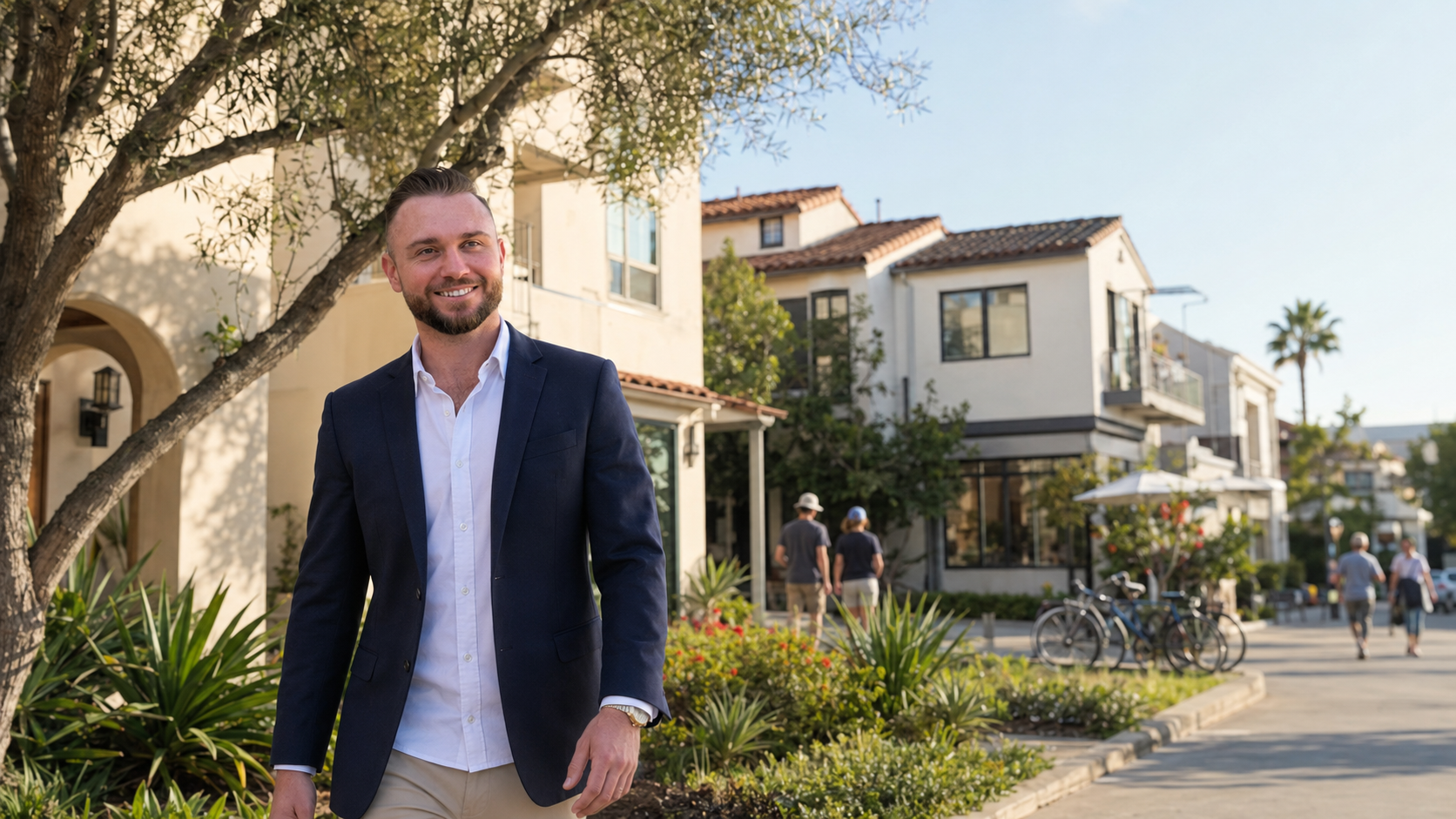
Roots
Housing
Make room for local life.
More homes where they fit, faster and clearer approvals, workforce delivery, public land for public value, local-rental activation, and tenant stability that protects future supply.
The platform
Housing people can afford. Health people can feel. Hope people can build on.
Santa Barbara has a strong foundation. The next chapter is making sure more people can still live, heal, work, grow, serve, build, and belong here.
Platform on record · Reviewed July 12, 2026
The promise, plainly
A Future Here is a practical plan for making Santa Barbara more affordable, healthy, functional, and full of opportunity.
It turns Housing, Health, and Hope into City Council decisions with a clear action, a responsible owner, an honest cost, a deadline, and a result the public can see.
Three commitments
The pillars reinforce one another. A home creates stability. Safe and usable public spaces protect daily life. Clear paths to work, recovery, business, and service give people a reason to stay.
Roots
Make room for local life.
More homes where they fit, faster and clearer approvals, workforce delivery, public land for public value, local-rental activation, and tenant stability that protects future supply.
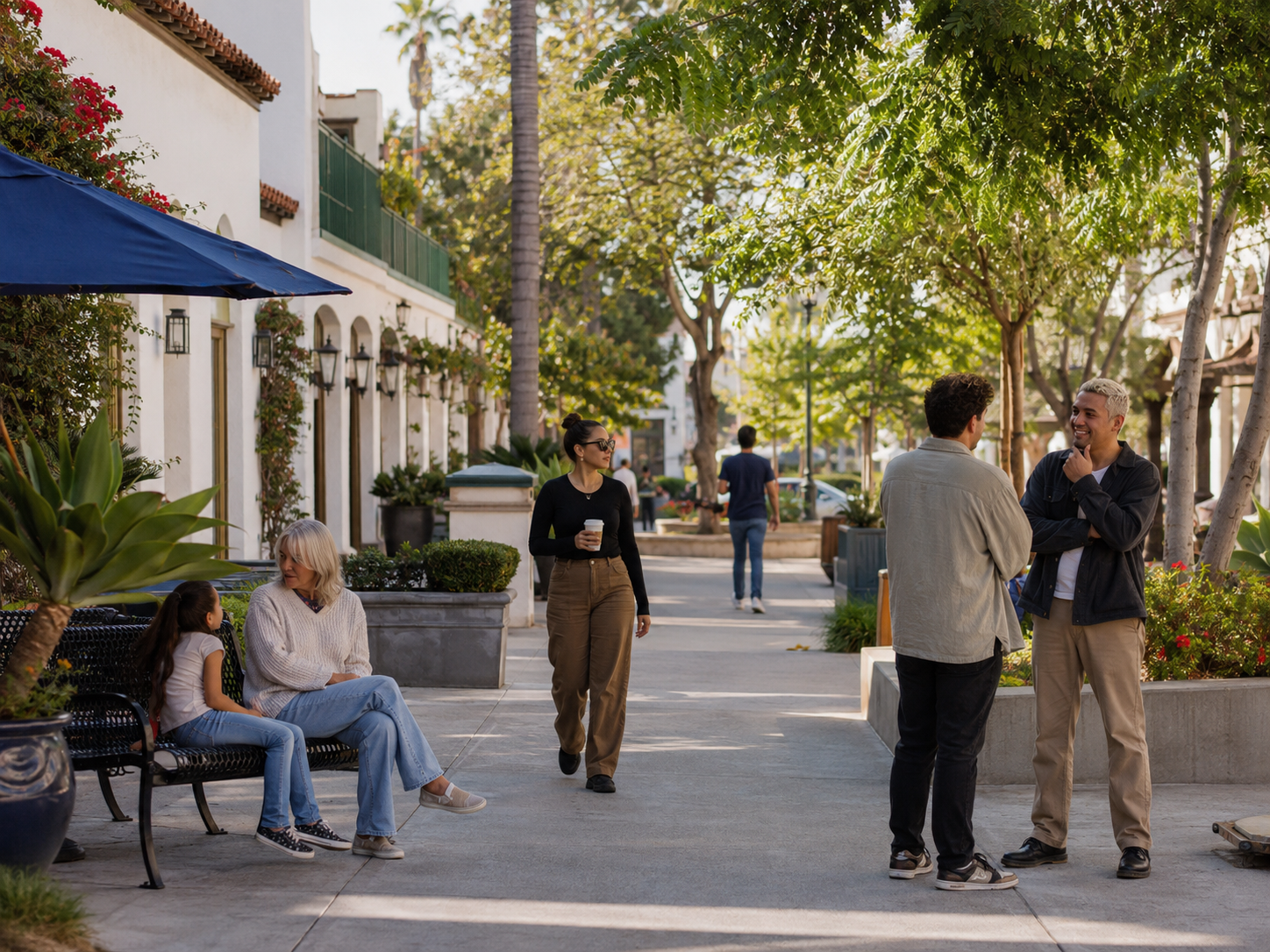
Stable ground
Protect the conditions for local life.
Safe streets, clean sidewalks, clear rules, strong emergency services, real crisis care, fair enforcement, and public spaces everyone can use.

Path forward
Build the paths to local life.
Clearer routes to work, recovery, small-business ownership, culture, service, participation, and a future people can see themselves inside.
Roots → Stable ground → A path forward
Pillar 01
Make room for local life.
What is happening: Santa Barbara can plan and approve housing without enough homes reaching construction and occupancy. Workers commute farther, families compete for scarce rentals, seniors have fewer downsizing choices, and employers struggle to retain people.
What Alexander would do: Use every local lever together—supply, subsidy, existing-home activation, public land, permit speed, workforce partnerships, and fair tenant stability—then measure delivery at the front door.
Action 01
Rank the housing opportunities most likely to deliver real homes, name each blocker, assign responsibility, and review progress publicly.
Action 02
Test lawful incentives, risk protection, repairs, mediation, and master leasing to return unused or underused homes to long-term local use.
Action 03
Classify public assets by purpose—Protect, Serve, House, Earn, or Activate—and require measurable public benefit before major land or lease decisions.
Action 04
Create clearer checklists, consolidated corrections, timeline targets, and escalation for housing that meets adopted standards.
Applications, approvals, permits, construction starts, completed homes, affordability levels, activated rentals, review times, public cost, and the named reason any priority is stuck.
Pillar 02
Protect the conditions for local life.
What is happening: Public safety, behavioral health, addiction, homelessness, emergency response, street conditions, and public trust meet in the same places. When the system lacks capacity or clear handoffs, residents, workers, businesses, and people in crisis all feel it.
What Alexander would do: Pair compassion with accountability: visible safety presence, clear public-space standards, daily environmental management, crisis care, fair enforcement, and City-County agreements that define who owns the next step.
Action 01
Set visible standards for lighting, cleanliness, sanitation, repair response, restrooms, sidewalk access, and public-safety presence.
Action 02
Use transparent placement criteria, privacy safeguards, maintenance responsibility, and published evaluation to improve environmental safety.
Action 03
Protect emergency response while rebuilding the foot, bike, and problem-solving capacity residents and businesses experience day to day.
Action 04
Track bed use, outcomes, repeat returns, crisis handoffs, and high-utilizer cases so publicly funded care becomes a visible path toward stability.
Emergency and lower-priority response, environmental repairs, lighting uptime, cleanliness, visible patrols, shelter use, care placements, repeat calls, and whether public spaces remain usable.
Pillar 03
Build the paths to local life.
What is happening: A person can have the skill, discipline, recovery, savings, or business idea to move forward and still face a path that is fragmented, expensive, or difficult to understand. A slow city raises the cost of every next step.
What Alexander would do: Make lawful next steps easier to see and take—for work, business, recovery, culture, service, and participation—while turning State Street into Santa Barbara’s safe, active, local, creative front porch.
Action 01
One intake path, fee transparency, consolidated corrections, timeline targets, compatible-use pathways, and a named City function accountable for navigation.
Action 02
Coordinate arts, music, markets, youth performances, cultural events, local vendors, nonprofit activity, and family programming with daily street management.
Action 03
Create understandable rules for health, safety, location, access, fees, cleanup, and enforcement so legal local enterprise has a clear path.
Action 04
Connect schools, employers, trades, healthcare, hospitality, public safety, technology, creative work, and city services to visible pathways into local careers.
Business-opening timelines, fees disclosed before commitment, storefront occupancy, permit corrections, local programming, foot traffic, workforce placements, vendor compliance, and repeat public use.
Honest local scope
Alexander is running for City Council, not Congress. The platform stays centered on Santa Barbara decisions residents can see and measure.
How the platform becomes real
Zoning, public-space standards, vending, tenant rules, and permitting requirements.
Staffing, emergency capacity, clean-and-safe work, infrastructure, housing programs, and reserves.
Outreach, shelter, maintenance, ambassadors, nonprofit services, and outcome expectations.
County, hospitals, courts, schools, UCSB, employers, housing providers, and regional partners.
Ground leases, parking, civic facilities, streets, public land, and measurable public value.
Quarterly updates, fiscal notes, milestones, performance review, and a visible next action.
Every public promise has a fiscal shadow. Housing programs need land, staff, capital, or partners. Public safety needs trained people, equipment, facilities, and recurring funding. Local opportunity depends on reliable services and a productive local economy.
The test: Can the City afford it, staff it, maintain it, explain it, and show the public what value it produced?
Not promises. Actual actions.
The full plan connects each action to Council authority, a governing move, and a measurement path.
The Public Results Test
Voters should be able to see what is being done, who owns it, what it costs, when it is due, and whether it worked.
ACTION · OWNER · COST · DEADLINE · RESULT
Questions people actually ask
It means Santa Barbara remains a place where more people can live, heal, work, grow, serve, build, and belong. Housing gives roots, Health gives stable ground, and Hope gives a path forward.
It is a local-function platform. Each proposal is judged by whether it helps Santa Barbara work, whether the City can afford and execute it, whether current and future residents benefit, and whether voters can measure the result.
Because they meet in daily life. Housing affects the workforce, schools, public safety, healthcare, businesses, and family stability. Public-space conditions affect residents, visitors, workers, merchants, and people in crisis. Opportunity determines whether people can see a next step here.
One councilmember cannot run departments or act alone. A serious councilmember can introduce a clear proposal, build the public case, work toward a lawful majority, adopt ordinances and budgets, authorize contracts and agreements, and hold the organization accountable for delivery.
Every proposal should identify its one-time cost, continuing cost, staffing demand, funding source, maintenance obligation, and tradeoffs before adoption. Some actions are process changes; some require reprioritization; others require partnerships or new funding.
Tenant stability matters, and future renters matter too. Alexander supports fair tenant protections and a full affordability operating plan while opposing rent control as the centerpiece because housing policy must also protect maintenance, investment, trust, and future supply.
Each major action should identify the action, owner, cost, deadline, and result. Public reporting should show what moved, what did not, why it is off track, and what decision comes next. The standard is completed public value, not announcements.
Your experience belongs in the plan
Share the housing, health, safety, business, State Street, or City Hall experience you want Alexander to understand.
Platform record
This page states campaign positions and proposed governing actions. Detailed issue pages contain the supporting public record and verification dates for factual claims. Nothing here is legal, financial, medical, or property-specific advice.
Platform record reviewed July 12, 2026.