01 · Highest direct impact
Talk with voters
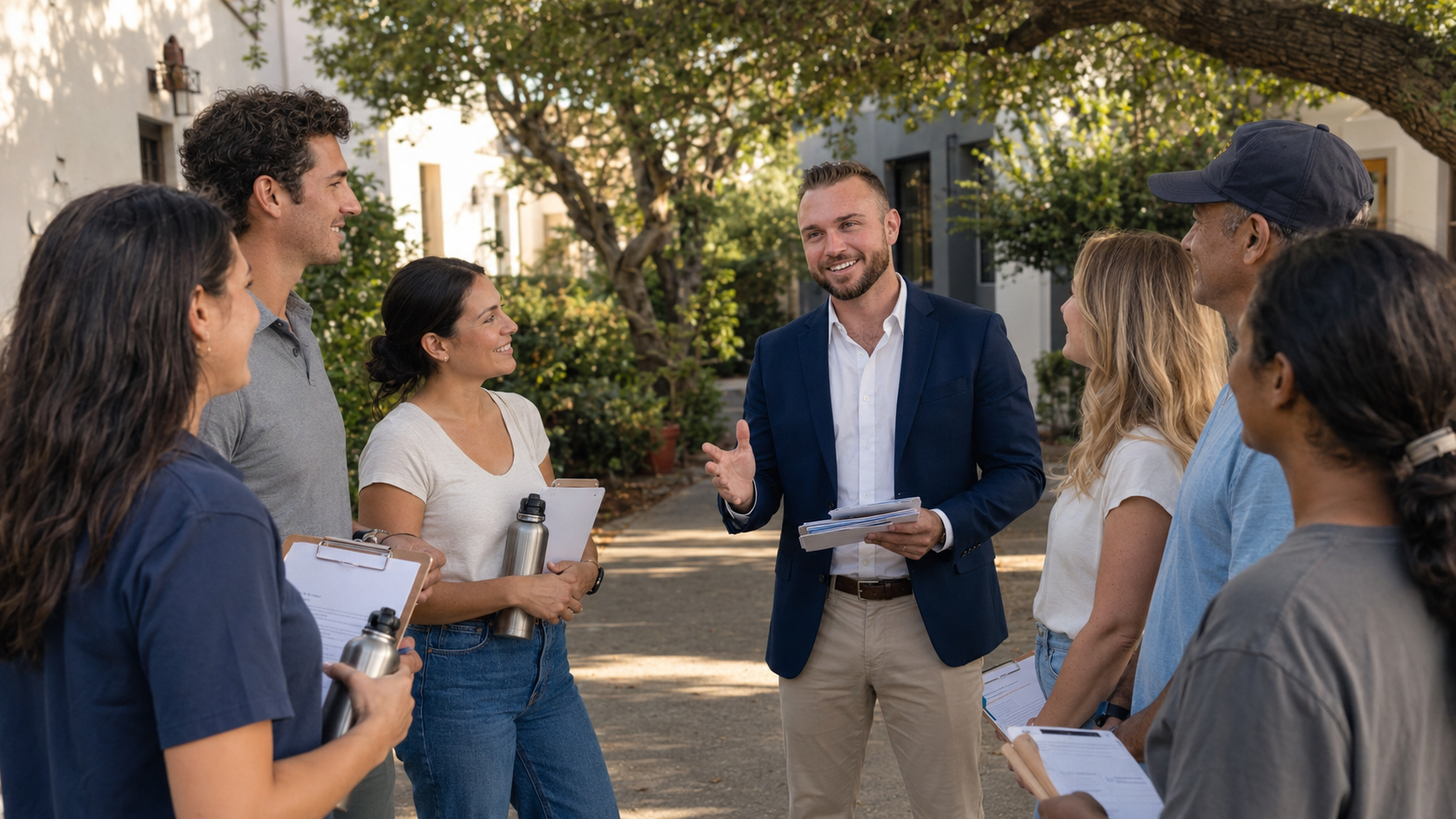
Knock doors, make calls, send campaign texts, or help at voter-facing events. Training and a clear script come first.
Choose this roleA Future Here is built person by person
Choose one practical way to reach voters, strengthen the campaign, and help build a future here.
One shift or an ongoing role. Public-facing or behind the scenes. Start with the commitment that fits your time and comfort.
About one minute to join One-time or ongoing A clear next step
Choose your lane
Choose your main starting point now. You can always add another way to help after the campaign follows up.
01 · Highest direct impact
Knock doors, make calls, send campaign texts, or help at voter-facing events. Training and a clear script come first.
Choose this role02 · Make the work reliable
Support data, events, research, scheduling, translation, design, photography, video, or campaign administration.
Choose this role03 · Bring people together
Invite a few neighbors, coworkers, renters, business owners, or friends for a useful local conversation with Alexander.
Choose this role04 · Show visible support
Request a campaign sign for a yard, window, business, or other location where you have permission to display it.
Choose this role05 · Stay connected
Receive campaign news, event invitations, new videos, major position updates, and practical opportunities to help.
Choose this role06 · Help shape the conversation
Tell Alexander what daily life looks like and what City Hall should understand about your experience or neighborhood.
Choose this roleCount me in
Choose your primary starting point in the form below. The campaign will use that answer to send a relevant next step instead of a generic volunteer message.
The form takes about one minute.
Your phone number is optional.
Text-message consent is optional.
Your information is used for campaign purposes.
Use the “How would you like to participate?” field below to confirm your choice.
What happens next
The campaign will connect your interest to a practical action rather than placing every supporter into the same generic volunteer sequence.
Common questions
No. District 6 voters are the campaign’s electoral priority, but people who live, work, study, serve, own a business, or have relationships in Santa Barbara can still help.
No. You can choose one event, one voter-contact shift, a short behind-the-scenes project, or an ongoing role. The campaign matches the task to the time you actually offer.
The campaign uses your submission to understand the distance between public policy and daily life and to improve its local plans and explanations. Your story will not be published or attributed to you without separate permission.
No. This is a campaign participation form. Use the appropriate emergency channel for emergencies and the responsible City department for official services, permits, records, complaints, or case-specific assistance.
Start with one action
Choose the commitment that fits now. The campaign will help make the next step specific, useful, and manageable.