The daily economy
Local shops, restaurants, services, makers, and independent professionals create jobs, culture, and the street life people value.
Hope · Build the paths to local life
Hope means a clear next step: a job, a raise, an open storefront, a creative stage, a path back to stability, or a reason to build a life in Santa Barbara.
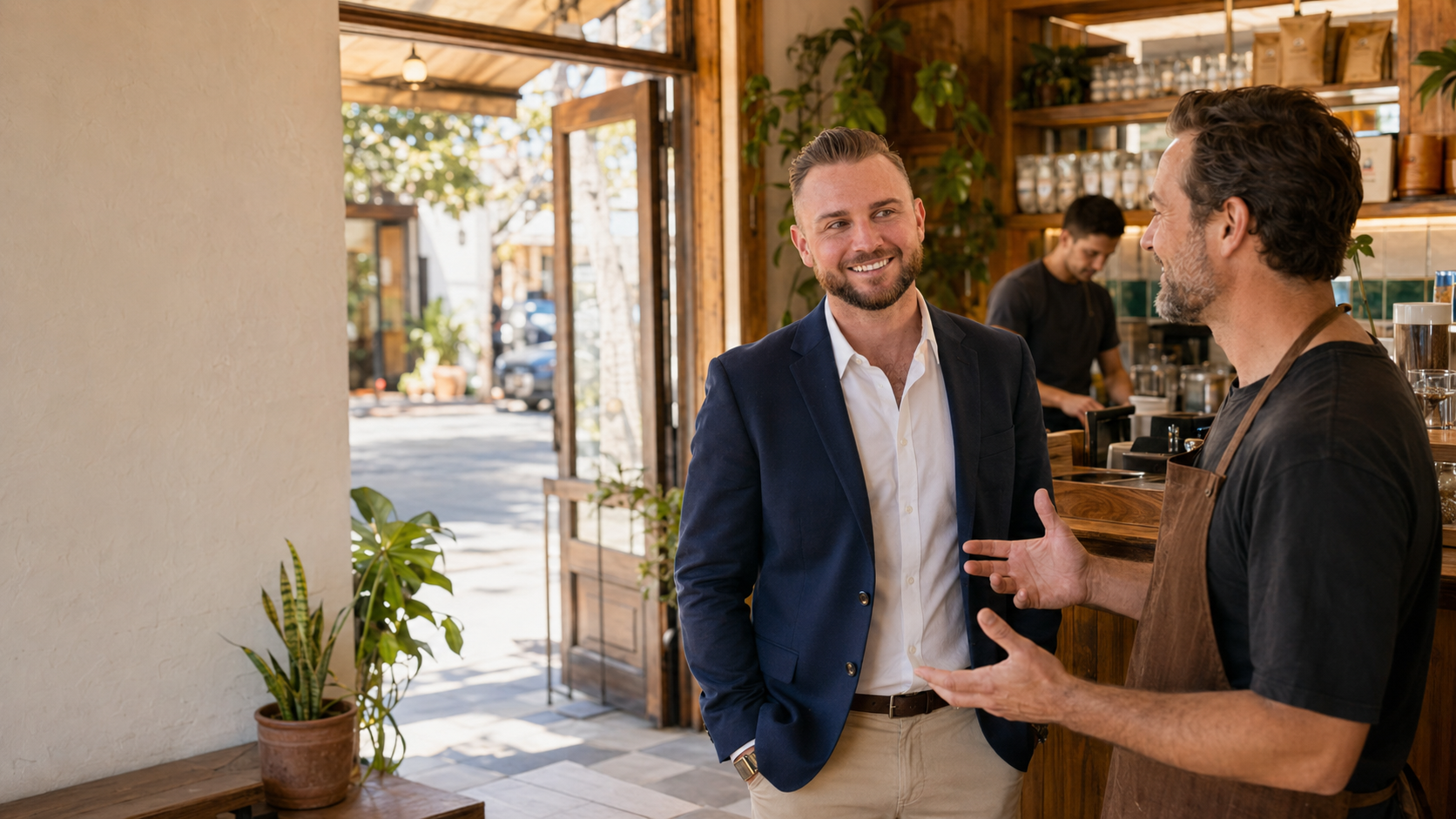
The path should be visible
What is happening?
Our city has small businesses, skilled trades, hospitality, healthcare, schools, arts, research, entrepreneurship, public service, local capital, and a growing regional innovation economy. Yet the route from talent to opportunity — or from an idea to an open door — can be expensive, fragmented, and slow.
The result is a city rich in possibility where too many local people still struggle to see their next step.
Economic development should make local life more possible.
Local shops, restaurants, services, makers, and independent professionals create jobs, culture, and the street life people value.
Teachers, caregivers, public servants, tradespeople, hospitality workers, and young professionals need housing and visible paths to advancement.
Artists, performers, events, cultural institutions, and public gathering places give people reasons to return downtown and belong here.
Research, technology, resilience, healthcare, and entrepreneurship can create broader local opportunity when the benefits are intentionally connected to residents.
Why it matters
Housing gives people roots. Health gives stable ground. Hope gives a path forward. City policy cannot choose a person's future for them. It can make the path clearer, fairer, and more usable.
A first job, a paid apprenticeship, a credential, a promotion, or a career ladder that does not require leaving home.
A permit route that is understandable before a local owner commits savings, signs a lease, or loses months to rework.
Places to perform, make, gather, film, exhibit, and build the culture that makes Santa Barbara feel alive.
A path from crisis to care, stability, service, and work — with clear expectations and room to rebuild.
A way to participate, serve, volunteer, mentor, and see that local government values contribution from every neighborhood.
Alexander's position
The goal is not growth for its own sake. The goal is more opportunity, stronger small businesses, reliable city services, and a future local people can enter.
Santa Barbara should keep high standards and become clearer, faster, and more coordinated. The City should convene and set rules — not pick favored companies, make speculative investments, or subsidize private activity without a measurable public return.
The public-value test
What would Alexander do?
Each action begins with existing authority, clear standards, named responsibility, and a public measurement before the City makes new open-ended promises.
Small business
Plain meaning: one clear route from idea to open doors.
Measure: median processing time, avoidable resubmittals, businesses opened, and unresolved cases beyond the published timeline.
Workforce
Plain meaning: connect local learning to paid work and advancement.
Measure: paid placements, completed credentials, participating employers, advancement, and six-month retention.
Downtown & culture
Plain meaning: give people more reasons to return downtown throughout the week.
Measure: active storefronts, program days, permit time for temporary uses, repeat attendance, and published operating results.
Innovation & public value
Plain meaning: make sure regional growth creates visible opportunity here.
Measure: local placements, partner commitments, housing or resilience outcomes, public-private dollars leveraged, and completed pilots with reported results.
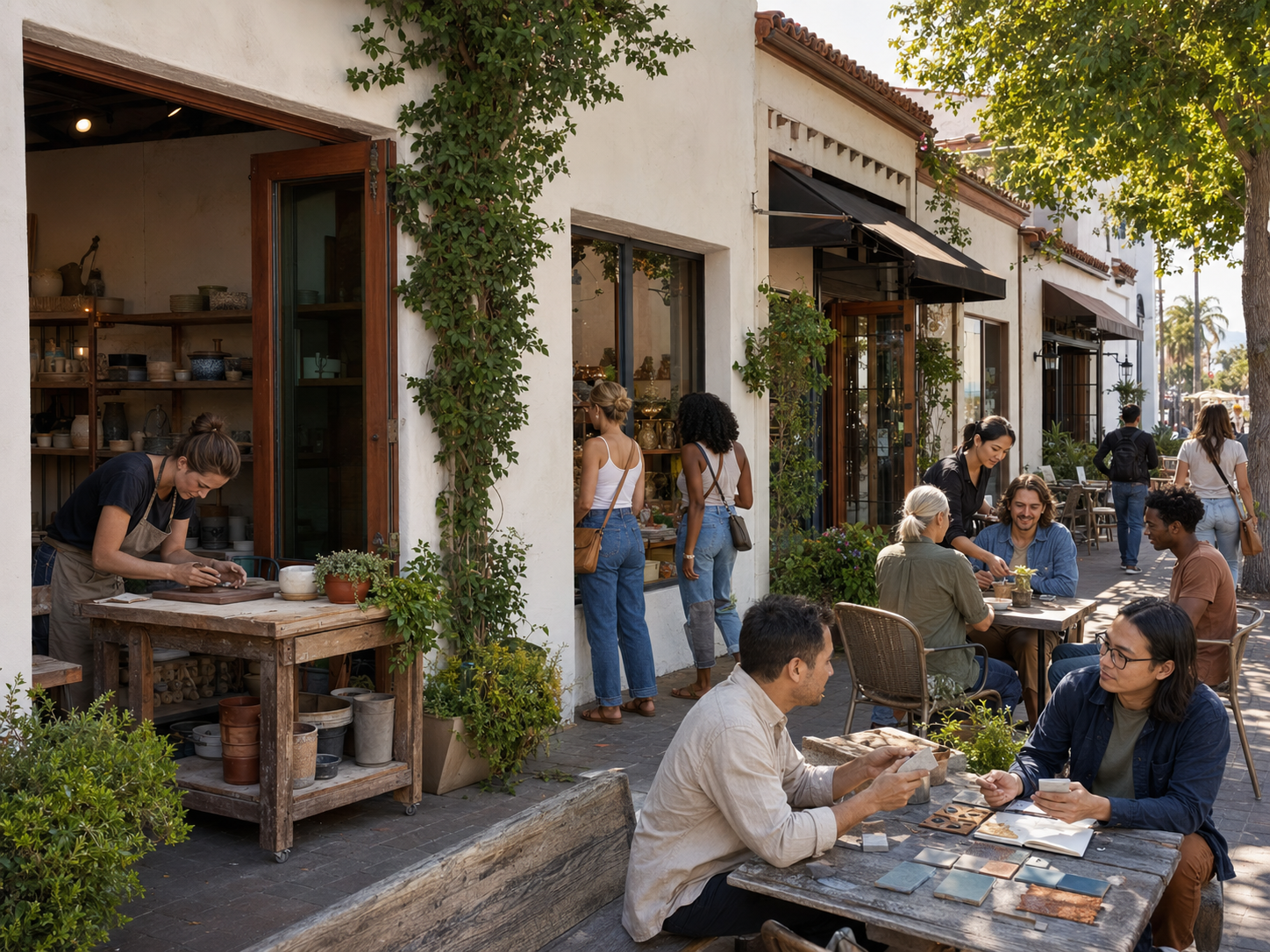
The District 6 lens
State Street, storefronts, rents, public safety, parking, permits, arts, hospitality, housing, and city finances meet here. A better local economy is not an abstract growth statistic. It is whether a neighbor can open, hire, advance, stay, and return tomorrow.
How will voters know it is working?
A plan is only useful when residents can see whether the path is getting clearer. I will push for a public baseline, named ownership, and quarterly reporting that shows progress and delay without spin.
Public claims, source links, and verification dates should be published in the accompanying Campaign Decision Brief.
The first operating step
The first vote is not a blank check. It is direction to identify the lead, establish the baseline, sequence the work, attach fiscal notes, and return with an implementation plan for the four actions above.
Common questions
It means making the next step visible and usable: a clear permit route, a paid training path, a place to create, a route from recovery to stability, and a public system that tells people who owns the next action.
No. Economic development is the long-term work of expanding local opportunity, productivity, quality jobs, small-business durability, workforce capacity, housing, infrastructure, and city revenue. Recruitment is only one possible tool, and it should never replace support for the businesses and workers already here.
No. Small business is the daily economy and the first priority on this page. The innovation economy matters because it is already creating regional pressure and opportunity. The City's job is to connect that value to local workers, housing, resilience, downtown, and small-business benefit.
Housing is economic infrastructure. Employers cannot retain people, workers lose time and money to long commutes, and local spending leaves the community when the people who keep Santa Barbara working cannot live within reach of it.
The default should be clear rules, faster processes, reliable infrastructure, and strong partnerships — not favors. Any use of public money, property, or special access should carry a written public benefit, a fiscal note, measurable conditions, and a way to enforce the agreement.
One councilmember cannot privately direct departments or promise a unilateral outcome. A serious councilmember can build a majority, set policy, adopt budgets, authorize agreements, ask public questions, and require visible reporting. That is how direction becomes delivery.
Our future here
Tell me which path feels hardest to find today: work, business, housing, recovery, creativity, service, or belonging. Local government works better when it begins with the actual obstacle.